Pumpkin Cookies often disappoint. They look right, but the bite feels wrong. Instead of a true cookie, you get something closer to a small muffin. The main reason is moisture. Pumpkin puree is almost all water, and that water changes how dough bakes.
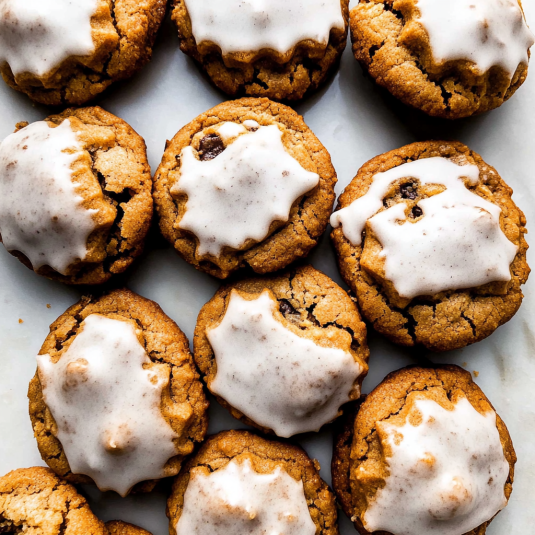
When too much liquid hits the oven, it creates steam. Steam lifts the dough and pushes it toward a cake-like texture. That is why so many pumpkin cookies turn out tall, fluffy, and dry instead of rich and satisfying.
Why This Recipe Outperforms the Rest
Most pumpkin cookie recipes stop at basic steps. This one goes further and fixes the real problems that affect taste and texture. Here are the quick wins you get right away:
- No chill time
The dough is ready to bake as soon as it is mixed. You can have fresh cookies on the table in under 30 minutes. - Stronger flavor
A higher amount of spices and dark brown sugar creates a deeper pumpkin spice taste with a clear molasses note. - Clear texture control
You learn the blotting technique that removes extra water from pumpkin puree, giving you full control over soft or chewy results. - Tested for results
Multiple batches were baked side by side to compare soft and chewy versions, so each adjustment has a clear purpose.
Pumpkin Cookies
- Total Time: 27 minutes
- Yield: 18 cookies 1x
- Diet: Vegetarian
Description
These pumpkin cookies finally solve the biggest problem with most recipes: texture. By controlling moisture in the pumpkin puree, you can bake cookies that are soft or chewy instead of cakey. Warm spices, dark brown sugar, and a simple method deliver rich flavor and reliable results every time.
Ingredients
- 1 cup 100% pure pumpkin puree
- 3/4 cup unsalted butter, softened
- 1 cup dark brown sugar
- 1/4 cup granulated sugar
- 2 large egg yolks (for chewy cookies) or 1 whole egg (for soft cookies)
- 2 1/2 cups all-purpose flour
- 1 teaspoon baking soda
- 1/2 teaspoon salt
- 2 teaspoons ground cinnamon
- 1/2 teaspoon ground ginger
- 1/4 teaspoon ground nutmeg
- 1/4 teaspoon ground cloves
- 1 teaspoon vanilla extract
Instructions
- Preheat the oven to 350°F (175°C) and line baking sheets with parchment paper.
- Spread the pumpkin puree on a plate lined with paper towels, place more towels on top, and gently press to remove excess moisture until thickened.
- In a large bowl, cream the softened butter, dark brown sugar, and granulated sugar until light and fluffy.
- Add the egg yolks or whole egg, blotted pumpkin puree, and vanilla extract, then mix until just combined.
- In a separate bowl, whisk together flour, baking soda, salt, cinnamon, ginger, nutmeg, and cloves.
- Add the dry ingredients to the wet ingredients in batches, mixing just until no dry flour remains.
- Scoop the dough into 2-tablespoon portions and place on the prepared baking sheets, leaving space between cookies.
- Bake for 10–12 minutes, until the edges are set and the tops look dull but the centers remain soft.
- Let cookies cool on the baking sheet for 5 minutes, then transfer to a wire rack to cool completely.
Notes
For chewy cookies, always blot the pumpkin puree and use egg yolks only. For softer, cakier cookies, skip blotting and use a whole egg. Cookies taste even better the next day as the spices deepen.
- Prep Time: 15 minutes
- Cook Time: 12 minutes
- Category: Dessert
- Method: Baking
- Cuisine: American
Nutrition
- Serving Size: 1 cookie
- Calories: 190
- Sugar: 14g
- Sodium: 120mg
- Fat: 9g
- Saturated Fat: 5g
- Unsaturated Fat: 3g
- Trans Fat: 0g
- Carbohydrates: 25g
- Fiber: 1g
- Protein: 2g
- Cholesterol: 35mg
The Secret to the Perfect Texture
Why moisture changes everything
Pumpkin puree carries a large amount of water. When that water heats up in the oven, it turns into steam. Steam lifts the dough and creates air pockets. This is what pushes pumpkin cookies toward a cakey texture instead of a true cookie crumb.
If you want control, you have to manage that water before baking.
The chewy method: blotting the pumpkin
For chewy pumpkin cookies, remove extra moisture from the puree. Spread the pumpkin in a thin layer on a plate lined with paper towels. Place more towels on top and press gently. You will see water soak into the towels as the puree thickens.
This step reduces steam in the oven. Less steam means less lift and tighter crumbs. The result is a cookie with chewy centers and a richer bite.
The soft method: keeping the moisture
For soft and cakey pumpkin cookies, keep the puree as is. Use a whole egg and allow the moisture to stay in the dough. The extra liquid creates a tender texture with a light crumb that feels familiar and comforting.
Both methods work. The key difference is how much water you allow into the dough. Once you understand that, you control the outcome every time.
Essential Ingredients and Brand Recommendations
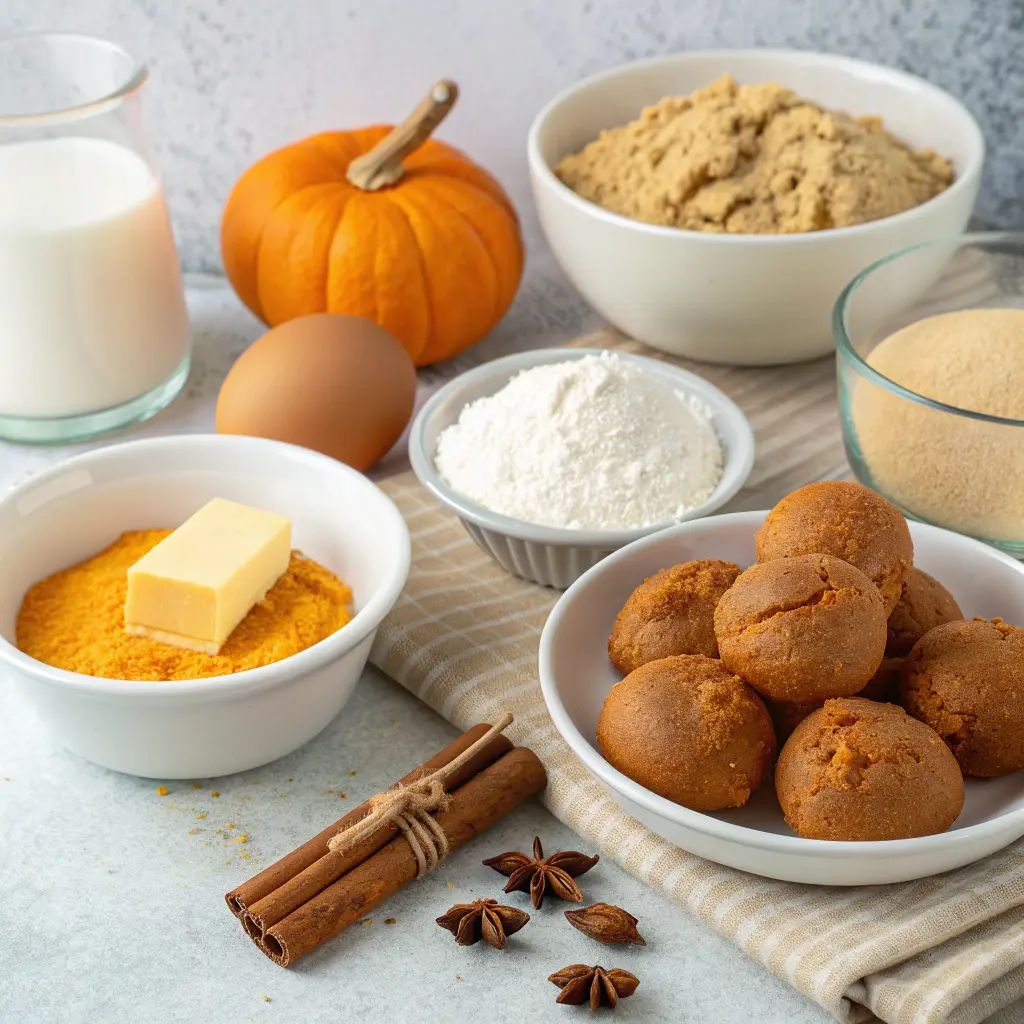
Great pumpkin cookies start with smart ingredient choices. Each one affects flavor, texture, and how the dough behaves in the oven.
The pumpkin
Use Libby’s 100% Pure Pumpkin. It has a thick texture and steady moisture level, which gives consistent results. Do not use pumpkin pie filling. It contains added sugar and extra liquid that can throw off the dough and make cookies spread or bake unevenly.
The fat
Unsalted butter works best. Let it sit at room temperature until soft but not greasy. Properly softened butter mixes better with sugar and helps create a smooth dough with good structure.
The sugar
Dark brown sugar adds moisture and a deeper flavor. The molasses content pairs well with pumpkin spice and keeps the cookies from tasting flat.
The eggs
For chewy cookies, use egg yolks only. Yolks add richness without extra water. For softer cookies, use a whole egg to keep the dough lighter.
The spices
A bold spice mix matters more than most people think. Cinnamon should lead, with smaller amounts of nutmeg, cloves, and ginger. You can also use a high-quality pumpkin pie spice, but it should smell strong and fresh when opened.
The dry ingredients
All-purpose flour gives the best balance. Measure it carefully to avoid dense cookies. Baking soda adds spread and browning, while too much leavening pushes the cookies toward a cake-like result.
When these ingredients work together, pumpkin cookies taste warm, balanced, and full instead of bland or heavy.
Step by Step Instructions With Visual Cues
This process is simple, but each phase matters. Follow the order and watch how the dough changes at each stage.
Phase 1: Prepping the pumpkin
Place the pumpkin puree on a plate lined with paper towels. Spread it into a thin, even layer. Lay more paper towels on top and press gently. Stop once the puree looks thicker and no liquid pools on the plate. The texture should look closer to soft paste than soup.
Visual cue: the pumpkin holds its shape and does not slide when tilted.
Phase 2: Creaming butter and sugars
Add the softened butter and sugars to a bowl. Mix for two to three minutes until the mixture looks lighter in color and slightly fluffy. This step adds air and helps the cookies bake evenly.
Visual cue: the mixture looks smooth and pale, not greasy or grainy.
Phase 3: Mixing wet and dry
Add the egg or egg yolks, pumpkin, and spices to the butter mixture. Mix just until combined. In a separate bowl, stir the dry ingredients together. Add them into the wet mixture in batches. Stop mixing as soon as no dry flour shows.
Visual cue: the dough looks thick and soft, not sticky or runny.
Phase 4: Scoop and bake
Use a two tablespoon cookie scoop to portion the dough. Place each scoop on a baking sheet lined with parchment paper, leaving space between cookies. Bake until the edges look set and the tops lose their wet shine.
Visual cue: the centers stay soft, but the edges hold their shape when lightly touched.
These visual checks help you bake pumpkin cookies with confidence, even without guessing times or textures.
Customizing Your Cookies
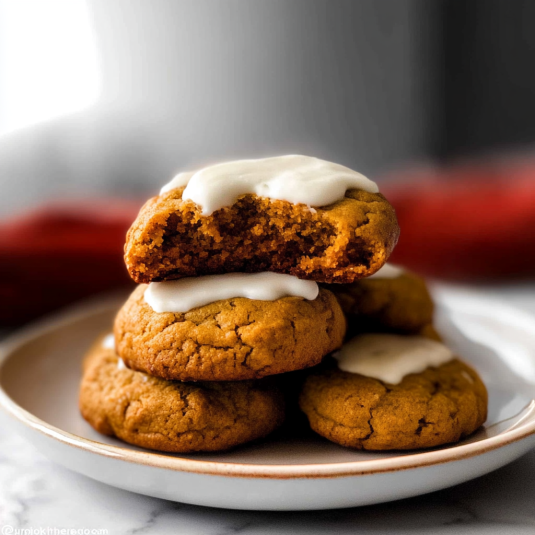
One base dough can give you many styles. These options let you adjust flavor and finish without changing the core method.
The iced version
For a simple glaze, mix powdered sugar with maple syrup and a splash of milk. Spoon it over cooled cookies and let it set. For a richer topping, use a cream cheese glaze made with cream cheese, powdered sugar, and a small amount of milk. Iced pumpkin cookies lean soft and dessert-like.
The bakery style
Stir white chocolate chips or toasted pecans into the dough at the end of mixing. White chocolate adds sweetness and contrast, while pecans add crunch and warmth. Keep add-ins moderate so the dough still holds its shape.
The sugar rolled version
Before baking, roll each dough scoop in a mix of granulated sugar and cinnamon. This creates a light crust on the outside and adds extra spice flavor. This style works best with chewy dough since the contrast feels stronger.
Flavor swaps
You can replace part of the cinnamon with cardamom or allspice for a slightly different fall taste. Small changes go a long way, so keep adjustments light.
These variations let you bake pumpkin cookies that fit your mood, whether you want simple, sweet, or bakery-inspired results.
Troubleshooting and Storage
This section answers the most common problems people face with pumpkin cookies. Small details make a big difference, and most issues have simple fixes.
Why are my cookies flat
Flat pumpkin cookies usually come from one of three causes. Baking soda may be old and weak. Butter may have been too warm before mixing. Pumpkin puree may have had too much water. Use fresh baking soda, soft but cool butter, and blot the pumpkin if you want more structure.
Why do my cookies taste bland
Pumpkin itself has a mild taste. If the spices are old or too light, the cookies will lack flavor. Use fresh spices and lean on dark brown sugar to add depth. A pinch of salt also helps bring the flavors forward.
How do I know when they are done
Pumpkin cookies stay soft, so color alone is not enough. Look for edges that look set and dry. The tops should lose their wet shine and look dull. When lightly touched, the center should give slightly but not sink.
Can I freeze the dough
Yes. Scoop the dough onto a baking sheet and freeze until firm. Move the frozen portions to a freezer bag. Bake straight from frozen and add one to two extra minutes to the bake time.
How should I store baked pumpkin cookies
Store plain cookies in an airtight container at room temperature for up to two days. If they have icing or a cream cheese topping, keep them in the fridge. Let them sit at room temperature before serving for the best texture.
Do pumpkin cookies get better with time
Yes. The spices deepen after a day. Many people prefer them on day two once the flavors settle and blend.
This section helps you fix problems fast and keep your pumpkin cookies tasting right from the first bite to the last.
Fore more recipes follow me in Facebook, medium and Pinterest
Frequently Asked Questions
Should pumpkin cookies be refrigerated?
Plain pumpkin cookies can stay at room temperature for up to two days in an airtight container. If they have a cream cheese or dairy-based topping, store them in the fridge. Bring them to room temperature before eating for the best texture.
How to know if pumpkin cookies are done?
Look at the edges first. They should look set and lightly firm. The tops should lose their wet shine and appear dull, while the centers stay soft when gently pressed.
Why are my pumpkin cookies flat?
This usually happens when baking soda is expired, butter is too warm, or the pumpkin has too much water. Use fresh leavening, cool room temperature butter, and blot the pumpkin puree if you want thicker cookies.
What kind of pumpkin is best for cookies?
Canned 100 percent pure pumpkin gives the most steady results. Libby’s is a top choice because it is thick and consistent. Fresh pumpkin varies in water content and often leads to uneven texture.
What does pumpkin do in baking?
Pumpkin adds moisture and mild structure to dough. It can act like part fat and part egg, which is why pumpkin cookies bake softer than standard cookies. This also explains why moisture control matters so much.
How long do pumpkin cookies last in the freezer?
Baked pumpkin cookies last up to three months in the freezer when sealed well. Thaw them at room temperature before serving. The flavor holds up well, especially in spiced versions.
Conclusion
Pumpkin cookies do not have to be tricky. Once you control the moisture and choose the right ingredients, the process becomes simple and repeatable. You can bake soft cookies, chewy cookies, or something in between without changing the entire method.
If you try this approach, leave a comment and share how your cookies turned out. Ratings and feedback help others decide which texture to choose and what adjustments worked best.
If you enjoyed these pumpkin cookies, you may also like my pumpkin bread recipe. It uses the same spice balance and delivers the same warm fall flavor in sliceable form.