Everyone wants Best Chocolate Chip Cookies that work every single time. This is that recipe. It is simple, clear, and built on real baking science, not guesses. You do not need rare tools, special skills, or extra steps.
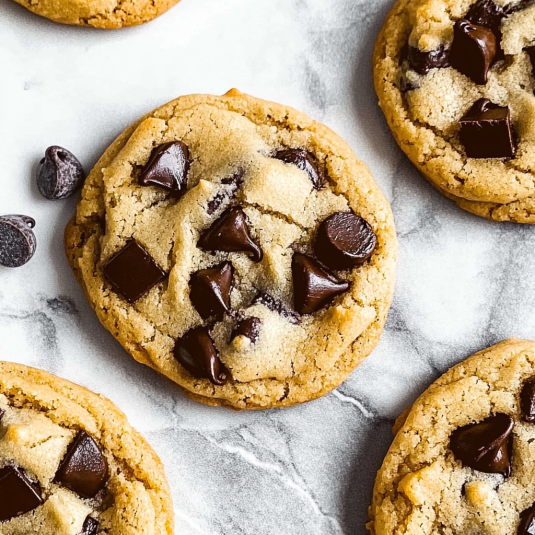
I have baked these cookies more times than I can count. I tested small changes again and again to see what truly matters. The result is a cookie that tastes rich, feels right, and stays consistent batch after batch.
Table of Contents
Ingredient Deep Dive: Understanding the Science Behind the Perfect Cookie
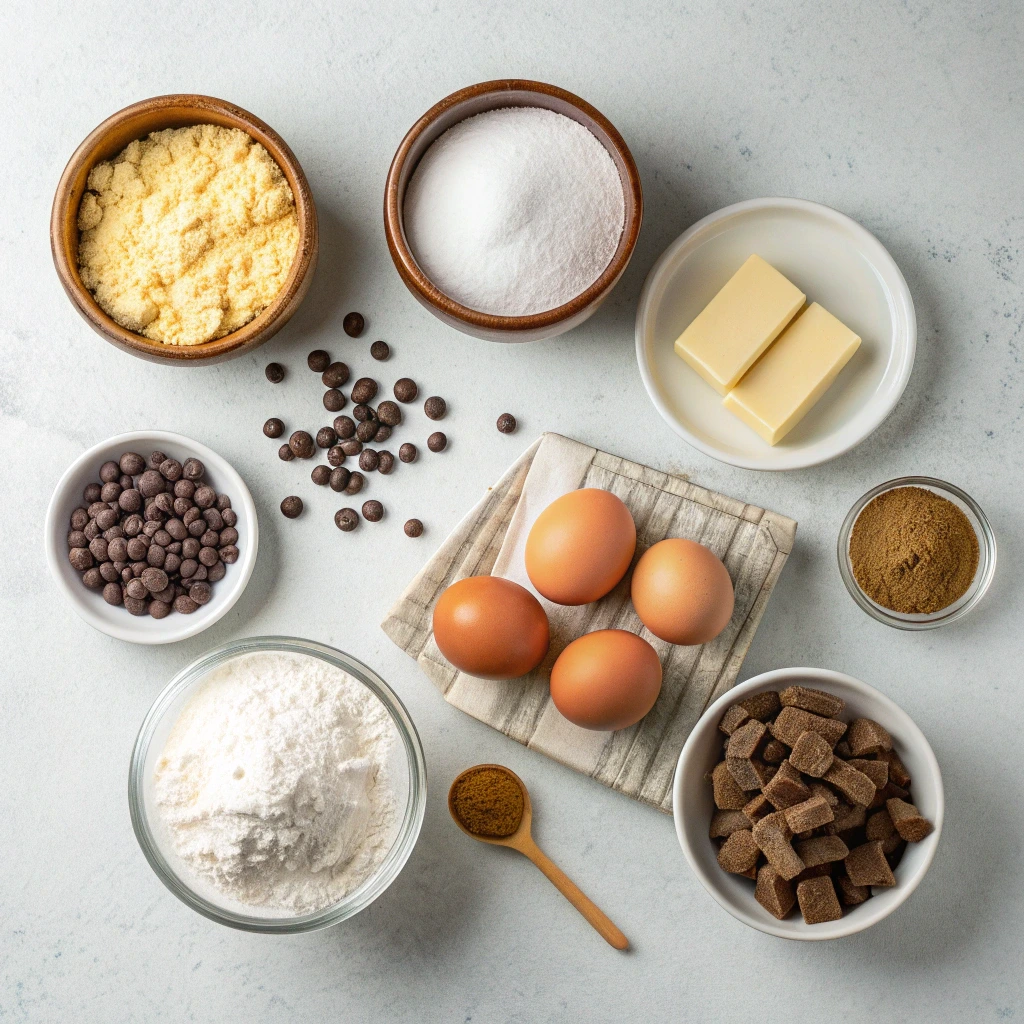
Great cookies start with smart ingredient choices. Small changes in fat, sugar, flour, and leavening can shift texture and flavor fast. This section explains what each key ingredient does and why it matters.
Butter’s Role: Softened, Melted, or Browned?
Butter controls spread, texture, and taste.
- Softened butter traps air when mixed with sugar. This leads to cookies that hold shape with a balanced bite.
- Melted butter creates more spread and a denser center because air is lost before baking.
- Browned butter adds a deep, nut-like flavor. It also removes water, which can make cookies thinner unless moisture is added back.
For steady results, softened butter gives the most control.
The Sugar Ratio: Why Brown Sugar is the Key to Chewiness
Sugar does more than sweeten. It affects moisture and structure.
- Brown sugar contains molasses. Molasses holds water, which keeps cookies moist and chewy.
- White sugar dries faster and helps cookies spread and crisp.
Using more brown sugar than white sugar leads to a softer center with better chew.
Leavening Agents: Baking Soda vs. Baking Powder
These two look similar but act very differently.
- Baking soda reacts with acidic ingredients like brown sugar. It helps cookies spread and brown.
- Baking powder adds lift and creates a lighter texture.
Most classic chocolate chip cookies rely on baking soda for the right balance of spread and color.
The Flour Secret: Why Scooping Matters
Flour measurement can make or break cookies.
Scooping flour straight from the bag packs it down. This adds extra flour and makes cookies dry or thick. Spoon flour into the cup, then level it off. This keeps the dough balanced and the texture just right.
Accurate flour measurement is one of the easiest ways to improve results without changing the recipe.
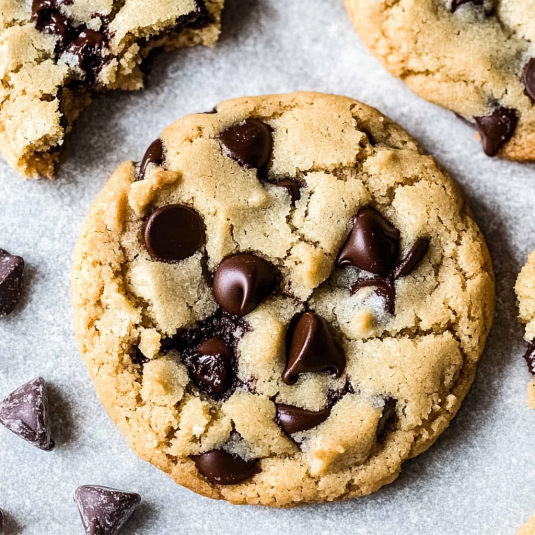
How to Make the Best Chocolate Chip Cookies Step by Step
This is the core method that brings everything together. Follow these steps in order for steady, repeatable results.
Step 1: Prepare Your Ingredients
Bring all ingredients to room temperature before you begin. This helps them mix evenly and keeps the dough stable.
You will need:
- Unsalted butter, softened
- Brown sugar
- White sugar
- Eggs
- Vanilla extract
- All purpose flour
- Baking soda
- Salt
- Chocolate chips or chopped chocolate
Step 2: Mix Butter and Sugar
Place the softened butter, brown sugar, and white sugar in a bowl. Mix until smooth and slightly fluffy. This step adds structure and sets the base texture.
Step 3: Add Eggs and Vanilla
Add the eggs one at a time. Mix after each addition. Stir in the vanilla until fully combined. The dough should look glossy and thick.
Step 4: Combine Dry Ingredients
In a separate bowl, mix flour, baking soda, and salt. Stir to distribute everything evenly. Slowly add this mixture to the wet ingredients. Mix just until no dry flour remains.
Step 5: Add the Chocolate
Fold in the chocolate gently. Spread it evenly through the dough so each cookie gets a good amount.
Step 6: Rest the Dough Briefly
Let the dough sit for about 15 minutes. This allows the flour to absorb moisture and improves texture without adding extra time.
Step 7: Bake
Scoop dough onto a lined baking sheet, leaving space between each cookie. Bake in a preheated oven at 350°F until the edges look set and the centers look slightly soft.
Step 8: Cool and Set
Let the cookies rest on the baking sheet for a few minutes, then move them to a rack. They will finish setting as they cool, keeping the centers tender.
This method creates consistent cookies with balanced spread, strong chocolate flavor, and a soft center every time.
For more similar recipes
- Pumpkin Cookies
- Chocolate Peppermint Cookies
- Nutella Cookies
- Caramel Cookies
- Cream Cheese Chocolate Chip Cookies
The Ultimate Guide to Chocolate for Cookies
Chocolate is not just an add-in. It shapes flavor, texture, and how each bite melts in your mouth. Picking the right type makes a clear difference.
Chocolate Chips vs. Chopped Bar vs. Wafers
Each form of chocolate behaves in its own way when baked.
- Chocolate chips hold their shape because they contain stabilizers. This gives clear pockets of chocolate and a classic look.
- Chopped chocolate bars melt more freely. This creates pools and streaks of chocolate with a richer feel.
- Chocolate wafers melt evenly and spread wide. They work well for bakery style cookies with visible chocolate layers.
If you want clean dots, use chips. If you want bold chocolate flavor, chopped bars work best.
Cocoa Percentage Matters
The cocoa level controls sweetness and depth.
- 50 percent chocolate is sweeter and smooth. It suits classic cookies and kids love it.
- 60 percent chocolate balances sweet and bitter. This is a safe choice for most tastes.
- 70 percent chocolate brings a strong cocoa bite. Use it if you like less sweet cookies.
Mixing two levels can also give better balance without extra sugar.
Our Recommended Best Chocolate Brands for Baking
Good chocolate melts well and tastes clean.
- Ghirardelli works well for chips and bars. The flavor stays strong after baking.
- Guittard offers smooth melt and deep cocoa taste. Many bakeries use it.
- Valrhona gives rich flavor and soft melt. It costs more but shows clear results.
No matter the brand, avoid old or chalky chocolate. Fresh chocolate always bakes better.
Print
Best Chocolate Chip Cookies
- Total Time: 27 minutes
- Yield: 24 cookies 1x
- Diet: Vegetarian
Description
These Best Chocolate Chip Cookies are soft in the center, balanced in sweetness, and rich with chocolate. A clear method and simple baking science give consistent results every single time.
Ingredients
- 1 cup unsalted butter, softened
- 1 cup brown sugar
- 1 cup white sugar
- 2 large eggs, room temperature
- 2 teaspoons vanilla extract
- 3 cups all purpose flour, spooned and leveled
- 1 teaspoon baking soda
- 1 teaspoon salt
- 2 cups chocolate chips or chopped chocolate
Instructions
- Preheat the oven to 350°F and line a baking sheet with parchment paper.
- In a large bowl, mix softened butter, brown sugar, and white sugar until smooth and slightly fluffy.
- Add eggs one at a time, mixing after each addition, then mix in vanilla extract.
- In a separate bowl, combine flour, baking soda, and salt.
- Gradually add dry ingredients to the wet ingredients and mix just until combined.
- Fold in chocolate chips evenly.
- Let the dough rest for 15 minutes.
- Scoop dough onto the prepared baking sheet, leaving space between cookies.
- Bake for 10–12 minutes until edges are set and centers look slightly soft.
- Cool on the baking sheet for a few minutes, then transfer to a wire rack to finish cooling.
Notes
Measure flour correctly and avoid overbaking to keep the centers soft and chewy.
- Prep Time: 15 minutes
- Cook Time: 12 minutes
- Category: Dessert
- Method: Baking
- Cuisine: American
Nutrition
- Serving Size: 1 cookie
- Calories: 170
- Sugar: 11g
- Sodium: 86mg
- Fat: 9g
- Saturated Fat: 6g
- Unsaturated Fat: 3.4g
- Trans Fat: 0.2g
- Carbohydrates: 20g
- Fiber: 1g
- Protein: 2g
- Cholesterol: 22mg
Mastering Your Cookie Texture: A Comparison of 4 Popular Styles
One of the best parts about making chocolate chip cookies is that you can adjust the texture to your liking. Whether you want a crisp, thin cookie or a thick, chewy bite, small changes can give you exactly what you’re craving. Here are four popular styles with the specific adjustments that make them work.
Style 1: The Thin & Crispy Cookie
For a thin, crispy cookie, the dough needs to spread more during baking.
- Use melted butter to help the dough spread faster.
- Add more white sugar than brown sugar. White sugar encourages spreading and creates a crisp edge.
- Do not chill the dough. Chilling helps cookies keep their shape, but for a thinner result, bake immediately.
This style is perfect if you like a light, crunchy texture.
Style 2: The Thick & Chewy Cookie (Bakery Style)
If you love bakery-style cookies that are thick and chewy, there are a few simple tweaks to make them just right.
- Chill the dough for at least 30 minutes. This prevents spreading and gives the cookie more structure.
- Add cornstarch to the dough. This keeps the texture soft and chewy.
- Bake at a higher temperature for a shorter time. This helps set the edges while keeping the center soft.
This style offers a perfect balance of thickness and chewiness, just like the best bakery cookies.
Style 3: The Super Soft & Cakey Cookie
For a softer, cakier texture, the key is in the leavening and moisture content.
- Use baking powder instead of baking soda. This creates a lighter, fluffier texture.
- Add extra egg yolks to increase moisture.
- Reduce the amount of butter slightly. Too much fat can make the cookie dense.
These cookies have a light, airy quality that makes them perfect for those who prefer softness over chewiness.
Style 4: The Classic Doughy Cookie
If you want to stick to a simple, classic chocolate chip cookie, this is the style for you.
- Use softened butter to get a balanced spread without making them too thin or too thick.
- Do chill the dough for about 15 minutes. This will help control spread while keeping the dough soft.
- Keep the ratio of brown sugar to white sugar at a 1:1 ratio for a balanced chewiness.
This style maintains the traditional, comforting bite of a chocolate chip cookie without venturing too far into any extremes.
FAQs
What makes a cookie chewy vs soft?
Chewy cookies hold more moisture. Brown sugar, egg yolks, and slightly underbaked centers help create that chew. Soft cookies rely more on air and structure. Baking powder, extra eggs, and less fat push cookies toward a lighter bite.
Is it better to use baking soda or baking powder in chocolate chip cookies?
Baking soda works better for most classic chocolate chip cookies. It reacts with brown sugar and helps cookies spread and brown. Baking powder adds lift and makes cookies lighter, which can push them toward a cake-like texture.
What chocolate chips are best for chocolate chip cookies?
Chocolate chips made for baking work best because they keep their shape. Semi-sweet chips are the most common choice. If you want stronger flavor, chopped chocolate bars or baking wafers give richer results.
What are common mistakes when making cookies?
The most common issues include adding too much flour, using butter that is too warm, and overbaking. Skipping proper measuring and baking too long can turn good dough into dry cookies fast.
What butter is best for cookies?
Unsalted butter gives the best control over flavor. It lets you manage salt levels and keeps results consistent. Butter should be softened but not greasy so it mixes evenly with sugar.
How do bakeries get their cookies so soft?
Bakeries often chill dough, use more brown sugar, and bake cookies just until the edges set. They also pull cookies from the oven early so the centers stay soft as they cool.
Fore more recipes follow me in Facebook, medium and Pinterest