I have bought plenty of bright, perfect looking strawberries that tasted flat. The color promised sweetness, but the flavor was weak. If you have had the same moment of disappointment, you are not alone.
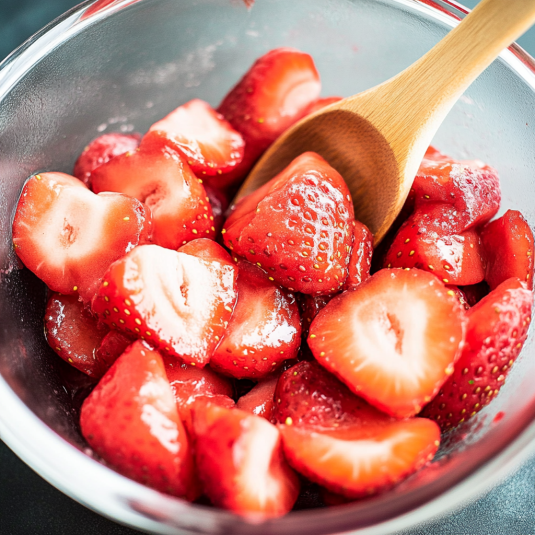
The good news is that you can fix bland berries with a simple method that needs only two ingredients. A Macerated Strawberries Recipe turns plain fruit into soft, sweetened strawberries covered in a rich syrup. This method needs no cooking at all and gives you a topping that works with shortcake, ice cream, pancakes, and more.
Maceration brings out the natural juices of the fruit, adds sweetness, and gives the berries a deeper taste. It is fast, easy, and the perfect way to save out of season strawberries that look great but taste dull.
If you want soft, juicy, sweetened strawberries with a syrup that tastes like summer, this method will help you every single time.
Table of Contents
What Does Macerated Mean
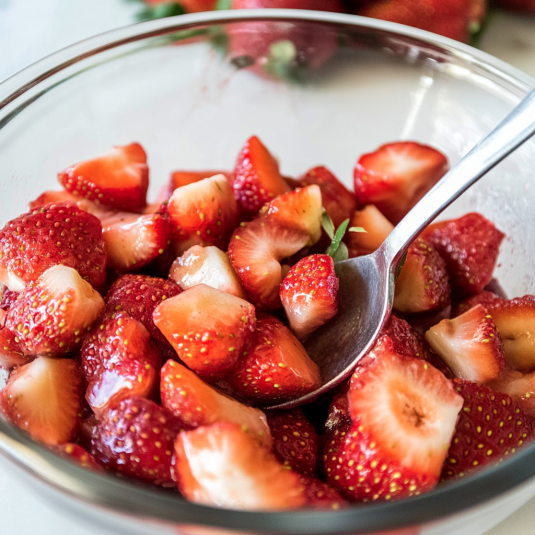
Macerated strawberries are strawberries that sit in sugar until they soften and release their juices. The sugar pulls the liquid out of the fruit and turns it into a sweet strawberry syrup. This method changes firm berries into soft, juicy, sugared berries that taste much richer.
The Simple Science Behind It
When sugar touches the surface of the berries, it starts to draw out the water inside the fruit cells. This natural pull creates the syrup that forms in the bowl. The longer the berries sit, the more liquid comes out, and the softer the fruit becomes. This small bit of science helps explain why the method works so well, even with pale or bland fruit.
People use macerated strawberries for shortcakes, pancakes, waffles, and many other desserts because the texture and flavor improve with almost no effort.
Print
Macerated Strawberries
- Total Time: 10 minutes plus resting time
- Yield: 4 servings
- Diet: Vegetarian
Description
Soft sweet strawberries mixed with sugar to create a rich juicy syrup that works perfectly on shortcake ice cream pancakes or yogurt.
Ingredients
- Fresh strawberries
- Granulated sugar
Instructions
- Rinse the strawberries under cool water and remove the stems.
- Cut the berries into thick slices or quarters.
- Place the sliced berries in a bowl.
- Add the sugar on top.
- Stir gently so the berries stay firm.
- Let the mixture sit until the sugar pulls out the juices and forms syrup.
- Use after the berries soften and a syrup forms.
Notes
You can adjust the sugar level, add flavor variations, or use the syrup in drinks and desserts.
- Prep Time: 10 minutes
- Cook Time: 0 minutes
- Category: Dessert Topping Breakfast
- Method: No Cook
- Cuisine: American
Nutrition
- Serving Size: 1 pound
- Calories: 238 kcal
- Sugar: 46 g
- Sodium: 5 mg
- Fat: 1 g
- Saturated Fat: 0.1 g
- Unsaturated Fat: 1.2 g
- Trans Fat: 0 g
- Carbohydrates: 59 g
- Fiber: 9 g
- Protein: 3 g
- Cholesterol: 0 mg
The Perfect Macerated Strawberries Recipe
This method needs only fresh strawberries and regular granulated sugar. A cutting board, a sharp knife, and a medium bowl are the only tools you need.
Ingredients
Fresh strawberries
Granulated sugar
Cleaning and Slicing
Rinse the strawberries under cool water and remove the stems.
Cut the berries into thick slices or quarters. Thick pieces keep their shape and prevent the fruit from turning mushy while it sits with the sugar.
Mixing
Place the sliced berries in a bowl.
Add the sugar on top.
Stir gently so the berries stay firm and do not break apart.
The Waiting Game
Let the mixture sit until the sugar starts to pull out the juices and create syrup.
You will see light syrup at the bottom of the bowl within minutes, and the berries will soften as time passes.
Explore more delicious related recipes here
- strawberry dubai chocolate cup
- strawberry protein muffins
- strawberry shortcake cookies
- strawberry simple syrup
- shoneys strawberry pie
Expert Tips and FAQs
The Ideal Sugar Ratio Guide
A good starting point is 3 tablespoons of sugar for 1 pound of strawberries.
Use less sugar for sweet summer berries.
Use up to 6 tablespoons for tart or pale berries that need extra help.
The Temperature Debate
Room temperature gives you faster syrup in about 30 to 60 minutes.
Refrigeration works better when you plan to let the berries sit for a longer time, from 1 hour up to a full day.
Both methods work. Pick the one that fits your timing.
Troubleshooting: My Syrup Is Too Watery
If the syrup looks thin, you can fix it.
Take a small amount of the liquid, warm it on the stove, and let it reduce for a short time until it thickens.
You can also mix a tiny amount of cornstarch with cold water, then stir it into the warm syrup to thicken it slightly.
Pour the thicker syrup back in with the berries.
Can You Use Frozen Strawberries
Yes, you can.
Let the frozen berries thaw fully first.
Drain the extra liquid that collects in the bowl.
Then add sugar and continue as normal.
How to Store Macerated Strawberries ?
Keep the berries in the fridge for 2 to 4 days in a sealed container.
You can freeze them for up to six months. The texture will soften, but the flavor stays strong.
What Does It Mean to Macerate Strawberries ?
It means letting the strawberries sit with sugar until they soften and release their juice.
How to Make Macerated Strawberries ?
Slice the berries, add sugar, stir gently, and let them sit until a syrup forms.
What Is the Best Sugar for Macerating Strawberries ?
Regular granulated sugar gives the best balance of sweetness and clean flavor.
How Long Does It Take to Macerate Strawberries ?
You start to see syrup in minutes, but the best results come from 30 minutes to 2 hours.
Can You Macerate Fruit Without Sugar ?
Yes. You can use honey, maple syrup, or fruit juice. The flavor will be slightly different, but the method still works.
Does Macerating Strawberries Soften Them ?
Yes. The sugar pulls out moisture, which makes the berries tender and juicy.
The Flavor Variations Section
Macerated strawberries taste great on their own, but small add ins can change the flavor in fun ways. These options help you match the berries to a dessert or create your own style.
Acids and Vinegars
A small splash of balsamic vinegar adds depth and a light tang. It pairs well with vanilla ice cream, cheesecake, or shortcake. Start with one teaspoon, then adjust to taste.
Liquors
A touch of liquor gives the syrup a warm finish.
Good options include Grand Marnier, Bourbon, Brandy, or Amaretto.
Use about one tablespoon for every pound of strawberries so the flavor stays soft and not too strong.
Fresh Herbs
Herbs can make the berries smell brighter.
Mint adds freshness.
Basil gives a light sweet aroma.
Rosemary and thyme add a gentle earthy note.
Use a small amount of finely chopped herbs so they do not overpower the fruit.
Sugar Substitutes
You can replace granulated sugar with other sweeteners.
Honey creates a thick, rich syrup.
Maple syrup adds a darker color and deep flavor.
Brown sugar gives a caramel taste and a slightly darker syrup.
Each option changes the color and flavor a little, so pick the one that fits your recipe.
Maceration for Other Fruits
This method works for many fruits, not just strawberries. Each type of fruit reacts a little differently, so small adjustments help you get the best texture and flavor.
Peaches
Peaches release a lot of juice once sliced.
Peel them if the skin feels tough.
Cut them into thick slices so they keep their shape.
Use a light amount of sugar because peaches are naturally sweet.
Blueberries
Blueberries need slightly more sugar because their skins are firm.
Use a little extra sugar and let them sit longer so the juice can come out.
They work well when mixed with raspberries or strawberries.
Raspberries
Raspberries soften quickly.
Use a gentle touch when stirring.
A small amount of sugar is enough since they break down fast and create syrup with very little effort.
Cherries
Pit the cherries first.
Cut them in halves or quarters to help the sugar reach the inside.
They need more time to release their juice, so let them sit longer than strawberries.
Blackberries
Blackberries produce a dark, rich syrup.
Use a moderate amount of sugar and let them rest until the berries look glossy.
Peaches, Berries, and Mixed Bowls
You can mix fruits to create colorful dessert bowls.
Combine peaches, berries, and cherries for a blend with different textures and a deep, sweet syrup.
Beyond Shortcake: Creative Uses for the Syrup and Berries
Macerated strawberries taste great on many desserts and breakfast dishes. The berries and the syrup both offer plenty of uses, and each one gives a fresh burst of flavor.
Classic Ways to Use the Berries
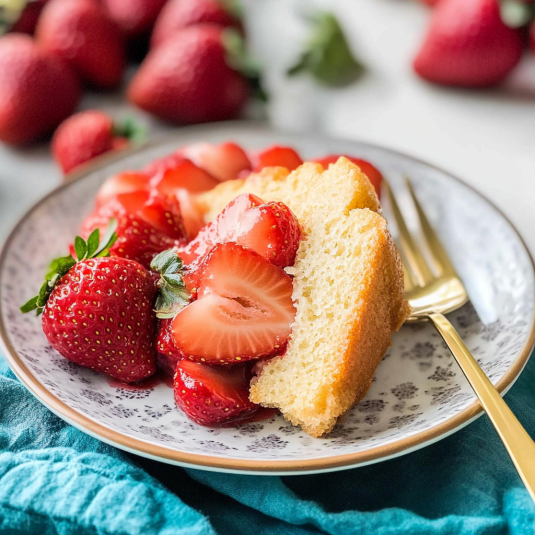
Serve them on shortcake for a soft, sweet topping.
Spoon them over vanilla ice cream for a quick dessert.
Add them to pancakes or waffles for a warm morning treat.
Use them on crepes or yogurt for a simple snack.
Creative Ways to Use the Leftover Syrup
Do not throw out the extra syrup. It is full of flavor and works in many drinks and dishes.
Cocktails and Mocktails
Stir the syrup into sparkling water for a quick strawberry drink.
Mix it with lemonade to add color and flavor.
Use it in cocktails as a simple syrup for a fruity twist.
Homemade Strawberry Soda
Add a spoon of syrup to cold club soda.
Stir gently to create a light strawberry soda with natural sweetness.
Yogurt and Oatmeal Swirls
Drizzle the syrup over plain yogurt for a colorful ribbon of flavor.
Pour a little over warm oatmeal to sweeten it without extra sugar.
Vinaigrettes and Salad Toppers
Mix a small amount of syrup with olive oil and vinegar to make a fruity dressing.
Pour over a summer salad with greens and cheese.
These simple ideas help you use every drop of flavor from your bowl of macerated strawberries.
Fore more recipes follow me in Facebook, medium and Pinterest
Conclusion
Macerated strawberries turn plain berries into a soft, sweet topping with almost no effort. The method works with fresh or frozen fruit, uses simple ingredients, and gives you syrup that tastes rich and bright. You can adjust the sugar, try different flavors, or use the syrup in drinks and desserts.
If you want to change things up, try one of the flavor ideas or test the method on peaches, raspberries, or cherries. Each version brings a new taste and texture.
Feel free to ask for a full recipe card or any extra variations you want to try.