
I have baked almond cookies for years, both at home and in test kitchens. I ruined plenty of batches along the way. Some spread too much. Some turned dry. A few had great flavor but the texture felt off. Over time, I learned what truly matters. Small details change everything.
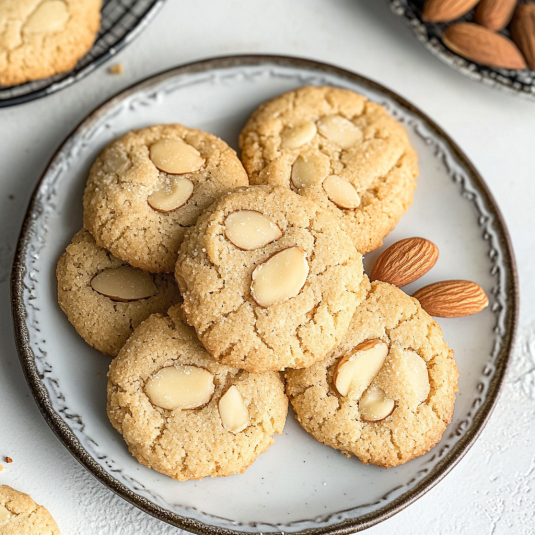
This guide brings all of that experience into one clear place. You will find a classic almond cookie recipe that works every time. You will also find tested variations for different diets, plus clear fixes for common baking problems. Nothing here is guesswork.
Table of Contents
The Classic Almond Cookie Recipe (Master Recipe)
This is the base almond cookie recipe I rely on every time. It gives steady results and a clean almond flavor. The texture stays soft in the center with lightly crisp edges. Once you learn this version, every other variation becomes easy.
Classic Almond Cookie Recipe Card
Prep Time: 15 minutes
Cook Time: 12 to 14 minutes
Total Time: 30 minutes
Servings: 24 cookies
Estimated Calories: About 140 per cookie
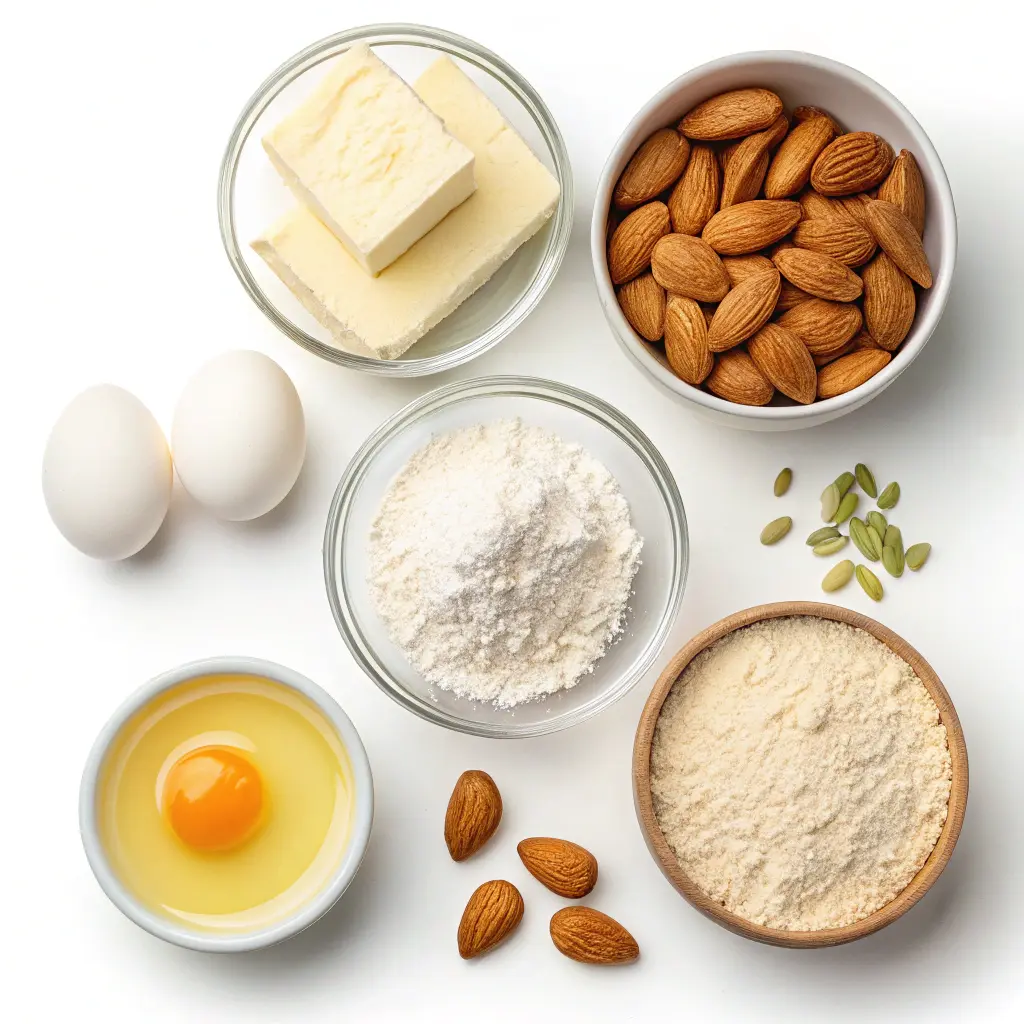
Ingredients
- 1 cup unsalted butter, softened but still cool
- 1 cup granulated sugar
- 1 large egg, room temperature
- 1 teaspoon almond extract
- 1 teaspoon vanilla extract
- 2 and 1 quarter cups all-purpose flour
- 1 half teaspoon baking powder
- 1 quarter teaspoon salt
- Optional topping: sliced almonds or sugar for rolling
Why This Recipe Works So Well
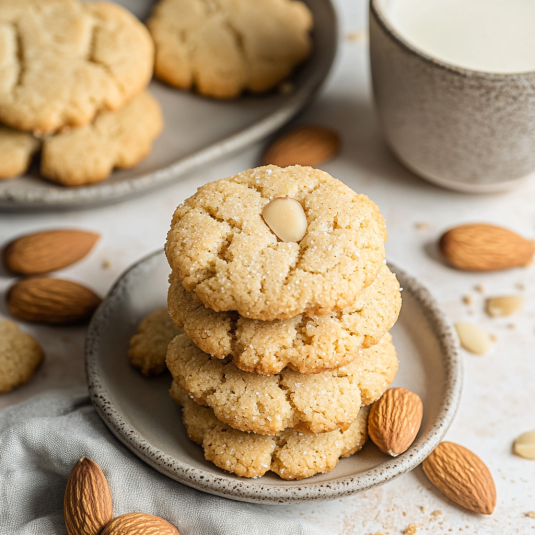
These almond cookies bake up soft and rich without feeling heavy. The butter stays present, but it does not leak or spread too far. Almond extract gives strong flavor without bitterness. Careful mixing keeps the crumb tender, which creates that melt-in-your-mouth feel people love.
Step by Step Instructions
- Preheat your oven to 350°F. Line two baking sheets with parchment paper.
- In a large bowl, beat the butter and sugar until smooth and pale. The butter should feel cool to the touch, not greasy.
- Add the egg, almond extract, and vanilla extract. Mix just until combined.
- In a separate bowl, whisk the flour, baking powder, and salt.
- Add the dry mix to the wet mix in two parts. Stir gently after each addition. Stop as soon as no dry flour shows.
- Scoop one tablespoon of dough and roll it into a ball. Roll in sugar or press sliced almonds on top if using.
- Place dough balls two inches apart on the baking sheet.
- Bake for 12 to 14 minutes, until the edges look set and the centers still look soft.
- Let cookies cool on the pan for 5 minutes, then move to a rack to cool fully.
Tip during baking matters. If your dough feels warm or sticky, chill it for 20 minutes before baking. This helps the cookies hold their shape and keeps the texture right.
Print
Almond Cookies
- Total Time: 30 minutes
- Yield: 24 cookies 1x
- Diet: Vegetarian
Description
These almond cookies bake soft in the center with lightly crisp edges and a rich almond flavor. The recipe is reliable, beginner friendly, and easy to adapt for gluten free, keto, or vegan needs.
Ingredients
- 1 cup unsalted butter, softened but still cool
- 1 cup granulated sugar
- 1 large egg, room temperature
- 1 teaspoon almond extract
- 1 teaspoon vanilla extract
- 2 1/4 cups all-purpose flour
- 1/2 teaspoon baking powder
- 1/4 teaspoon salt
- Optional: sliced almonds or sugar for rolling
Instructions
- Preheat the oven to 350°F and line two baking sheets with parchment paper.
- Beat the butter and sugar together until smooth and pale.
- Add the egg, almond extract, and vanilla extract and mix just until combined.
- Whisk the flour, baking powder, and salt in a separate bowl.
- Add the dry ingredients to the wet mixture in two additions, mixing gently each time.
- Scoop one tablespoon of dough and roll into a ball.
- Roll in sugar or press sliced almonds on top if desired.
- Place dough balls two inches apart on the baking sheets.
- Bake for 12 to 14 minutes until edges are set and centers look soft.
- Cool on the pan for 5 minutes, then transfer to a rack to cool completely.
Notes
If the dough feels warm or sticky, chill it for 20 minutes before baking to help the cookies hold their shape and maintain a soft texture.
- Prep Time: 15 minutes
- Cook Time: 12 to 14 minutes
- Category: Dessert
- Method: Baking
- Cuisine: American
Nutrition
- Serving Size: 1 cookie
- Calories: 234
- Sugar: 10g
- Sodium: 120mg
- Fat: 17g
- Saturated Fat: 4g
- Unsaturated Fat: 4g
- Trans Fat: 0g
- Carbohydrates: 13g
- Fiber: 3g
- Protein: 8g
- Cholesterol: 91mg
Crucial Ingredient and Technique Guide
Great almond cookies depend on small choices. The type of flour you use and how you handle butter matter more than most people think. This section explains those details in plain terms so you can avoid common mistakes.
Almond Flour vs Almond Meal vs All Purpose Flour
These three ingredients look similar, but they act very differently in cookie dough.
Almond flour is made from blanched almonds with the skins removed. It feels soft and pale in color. It adds moisture because it contains natural oils. This is why almond flour cookies often stay tender.
Almond meal is ground with the skins left on. It looks darker and feels coarse. It gives a rustic texture and can make cookies feel gritty if used in a classic recipe.
All purpose flour absorbs liquid in a very different way. It has gluten, which gives structure. Almond flour does not behave the same way, so swapping it cup for cup will not work. Almond flour has more fat and less starch, which changes spread and texture.
If you switch flours, the full recipe must change with it. This is why one to one swaps fail so often.
The Secret to Perfect Cookie Texture
Small technique choices shape the final result. These tips make the biggest difference.
- Use a kitchen scale for flour. This is the best and easiest way to avoid dry dough. Scooping by volume often adds too much flour without you noticing.
- Use butter that is soft but still cool. Butter that feels greasy causes cookies to spread too fast. Butter that is too firm does not blend well and leaves dense spots.
- How to soften butter fast. Cut the butter into small cubes and let it sit at room temperature for about 15 minutes. It should bend when pressed, not sink or melt.
When these details line up, the dough stays balanced and the cookies bake evenly with a soft center and clean edges.
Almond Cookie Variations for Every Diet
This master recipe adapts well to different diets when changes follow clear rules. Each option below is tested to keep the cookies soft, stable, and full of almond flavor.
Gluten Free and Grain Free Almond Cookies
To make almond cookies without wheat or grains, use fine almond flour as the base.
Key changes
- Replace all purpose flour with finely ground almond flour
- Add one extra egg white for structure
- Chill the dough for at least 30 minutes before baking
Almond flour holds more fat and less starch, so the dough feels softer. Chilling helps the cookies keep their shape. The baked cookies stay tender and lightly crisp at the edges.
Keto and Low Carb Almond Cookies
This version targets low carb needs while keeping texture close to the classic.
Key changes
- Use almond flour only
- Replace sugar with a powdered monk fruit or erythritol blend
- Add one half teaspoon xanthan gum for structure
Sweeteners without sugar do not melt the same way. Powdered forms work best because they blend smoothly into the dough. The xanthan gum replaces the structure normally created by sugar and wheat flour.
Vegan and Dairy Free Substitutions
You can bake almond cookies without eggs or dairy by swapping carefully.
Butter swap
- Use vegan butter sticks, not spread
- Keep it cool and firm, just like dairy butter
Egg swap
- Use one flax egg per egg
- Mix one tablespoon ground flaxseed with two and a half tablespoons water
- Let it thicken for five minutes before using
Coconut oil also works, but it creates a softer cookie that spreads more. If you use it, chill the dough longer and bake slightly longer to set the centers.
Cultural and Flavor Explorations
Almond cookies exist in many food traditions. Each culture shapes the cookie in a different way, using the same core ingredient but with unique meaning and texture. These versions add depth and context to the classic recipe.
Traditional Chinese Almond Cookies
Chinese almond cookies are often small, round, and flat. Many bakers shape them like coins, which ties them to good luck and prosperity. They appear often during Lunar New Year and family gatherings.
The texture is usually crumbly rather than soft. Lard or oil replaces butter in many traditional versions, which gives a clean bite and light feel. The almond flavor stays gentle, not sweet or sharp. A red stamp or fork press on top is common and adds a visual link to tradition.
Italian Almond Cookies Ricciarelli and Amaretti
Italian almond cookies focus on chew and aroma. Ricciarelli are soft inside with a crackled surface and a light sugar coating. They rely on almond flour, egg whites, and sugar, with no wheat flour at all.
Amaretti cookies come in two styles. Soft amaretti stay moist and tender. Crisp amaretti bake longer and dry out for a firm snap. Both versions use almond extract or bitter almond notes and pair well with coffee or tea.
These Italian cookies show how almond dough can change with small shifts in method. They also open the door to richer flavor profiles without complex steps.
Fore more recipes follow me in Facebook, medium and Pinterest
FAQs
How long can you keep almond cookies?
Almond cookies can be kept for up to five days at room temperature when stored in a sealed container. For longer storage, place them in the fridge for up to ten days.
Why are my almond cookies flat?
Flat cookies usually mean the butter was too warm or the dough was mixed too much. Always use butter that is soft but cool and stop mixing as soon as the dough forms.
How to keep almond cookies fresh?
Store almond cookies in an airtight container away from heat and sunlight. Adding a small piece of bread to the container helps keep them soft by holding moisture.
What are the common mistakes when using almond flour?
Common mistakes include packing the flour too tightly, swapping it cup for cup with wheat flour, and skipping rest time for the dough. Almond flour behaves differently because of its fat content.
How long to cook almond cookies?
Almond cookies usually bake for twelve to fourteen minutes at 350°F or 175°C. The edges should look set while the centers remain soft.
How long to cook almond cookies?
If cookies are larger or thicker, baking time may reach fifteen minutes. Always check early and adjust based on your oven, since heat levels vary.
Final Thoughts and Related Recipes
Almond cookies reward care and patience. When you focus on simple steps and the right ingredients, the results stay consistent. This guide was built to help you bake with confidence, not trial and error.
If you tried the recipe or any variation, I would love to hear how it went. Leave a star rating and share your results in the comments. Your feedback helps others decide and helps me refine future recipes.
If you enjoy baking cookies, you may also like classic shortbread cookies, soft sugar cookies, or almond based treats with light glazes and simple finishes. Each recipe builds on the same core skills you used here, so they feel familiar and easy to follow.